


Key Considerations for Choosing the Right Roof for Your Home
Updated: Aug 14, 2025
Selecting the right roof for your home is paramount. A well-chosen roof not only enhances your property's aesthetic appeal but also ensures your safety and security. With numerous roofing options available today, making the right choice can be overwhelming. This blog post will outline the key considerations you should factor into your decision-making process.
Understanding Roofing Options
When it comes to roofing, there is a multitude of options to choose from. Each has its own set of benefits and drawbacks. Popular roofing materials include asphalt shingles, metal, slate, tile, and wood. It's essential to understand these materials to make an informed decision.
Asphalt Shingles: The most common roofing material in North America, asphalt shingles are affordable and easy to install. They generally last around 15-30 years and come in a variety of colors and styles. However, they may not be the best choice in extreme weather conditions.
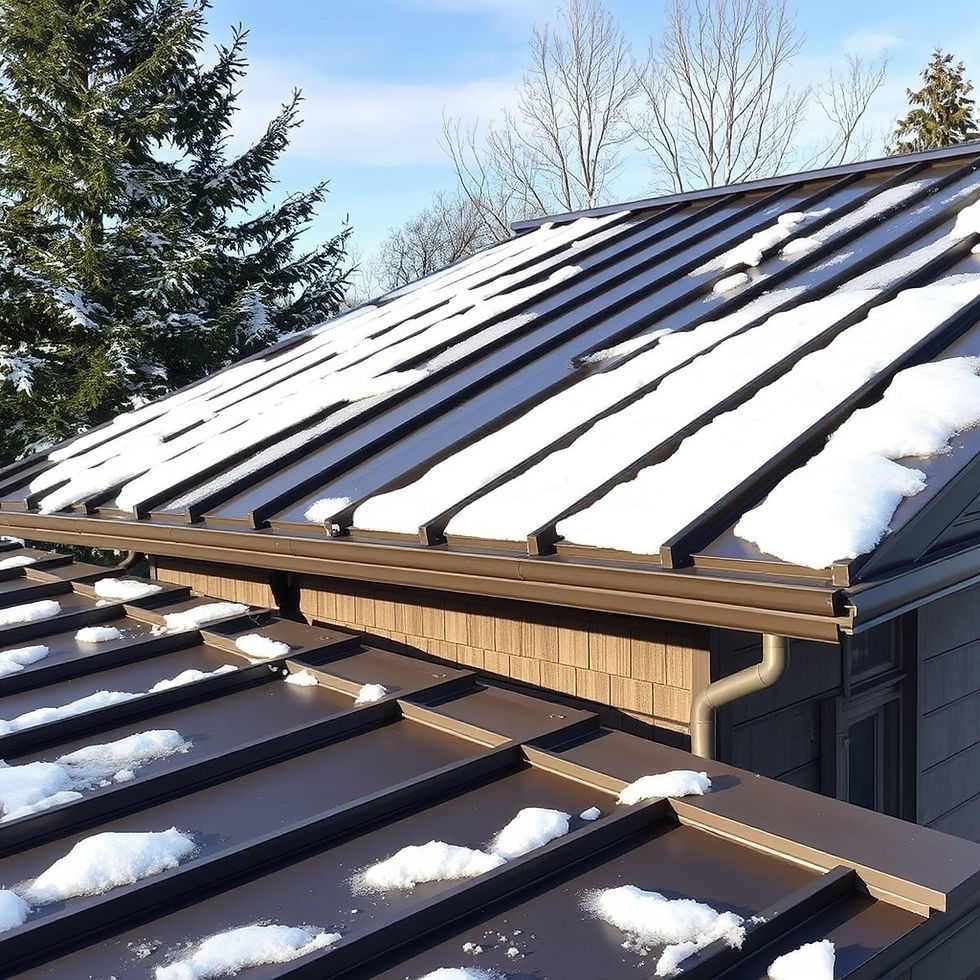
Metal Roofing: Known for its durability and longevity, metal roofing can last over 50 years. It is resistant to extreme weather and energy-efficient due to its reflective properties. If you're considering metal roofing installation, be sure to contact your local professionals like JVI.
Slate tiles: A premium roofing option, slate is entirely natural and has a lifespan of up to 100 years. While it offers aesthetics and durability, it is one of the more expensive options and requires a strong support structure due to its weight.
Tile: Clay or concrete tiles are aesthetically pleasing and have a long life expectancy (50 years or more). However, similar to slate, they can be heavy and may require extra support.
Wood Shingles or Shakes: These provide a natural appearance but require more maintenance and have a shorter lifespan (20-30 years). They are also more susceptible to fire and pests.

Climate Considerations
Your local climate plays a significant role in determining which roofing material is best for your home. For instance, areas prone to heavy snowfall may require a roof with a steeper slope, such as metal or slate, which can handle snow better than asphalt shingles. Conversely, hot climates may benefit from reflective materials such as metal roofing which can help keep your home cooler.
According to the U.S. Department of Energy, a roof that reflects sunlight can reduce cooling costs by 10-15%. Therefore, if you live in an area with hot summers, consider opting for materials that offer better energy efficiency.
Style and Aesthetics
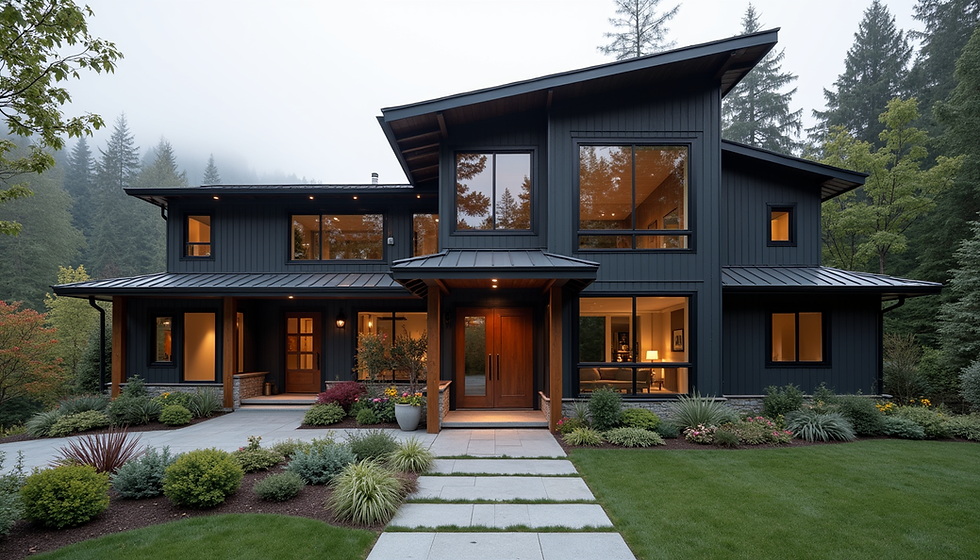
The appearance of your roof contributes significantly to your home's overall curb appeal. When choosing roofing options, consider the architectural style of your home. For example:
Modern homes often look best with sleek materials like metal or flat roofing.
Traditional homes may shine with classic asphalt shingles or wood shakes.
Mediterranean-style homes typically use clay tiles, which can enhance the authentic style.i
Additionally, think about color options. Lighter shades reflect sunlight and keep your home cooler, while darker shades absorb heat, which may be desirable in colder climates.
Budget and Costs
Budget is a crucial factor when considering roofing options. Different materials come with varying price points. Asphalt shingles are typically the most budget-friendly, while materials like slate and tile tend to be more expensive, both in terms of material costs and installation.
Here’s a rough comparison:
Asphalt shingles: $90 - $100 per square
Metal roofing: $100 - $300 per square
Tile: $150 - $250 per square
Slate: $300 - $800 per square
Keep in mind the lifespan of the material—while a more expensive option may seem daunting initially, its longevity could save you money over time.

Maintenance Requirements
Different roofing materials come with varying maintenance requirements, which can affect your long-term costs and care.
High Maintenance: Wood shingles and shakes require regular treatment to prevent rot, pests, and moss growth. This can add to your long-term investment and effort.
Moderate Maintenance: Asphalt shingles require some upkeep but are mainly reliable. You may need to replace a few shingles after severe storms.
Low Maintenance: Metal, tile, and slate roofs usually require minimal maintenance and can endure harsh weather conditions, making them more cost-effective in the long run.
When considering what type of roof to install, think not only about the upfront costs but also ongoing maintenance expenses.
Final Thoughts on Roof Selection
Choosing the ideal roof for your home is more than just a decision about aesthetics or initial costs. It involves thorough consideration of materials based on climate, style, budget, and maintenance. Taking the time to weigh these factors will not only result in a smart investment, but it can also boost your home's value and comfort.
When in doubt, don't hesitate to consult with roofing professionals. They can provide expert insight, especially when considering options like metal roofing installation.
By considering these key points, you’ll maximize your chances of making a sound, beneficial choice for your home’s roof, ensuring it serves you well for many years to come.


Comments